


April 15, 2026
The Hidden Causes of Hair Thinning You Might Be Overlooking
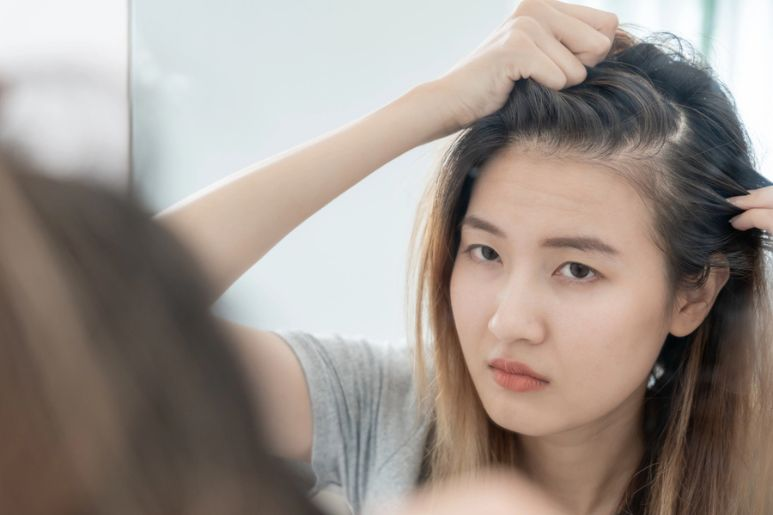
Hair thinning can feel frustrating, especially when it seems to happen without a clear reason. Many people assume genetics is the only factor, but the truth is that hair loss is often influenced by a combination of physical, mental, and environmental triggers. Understanding these hidden causes is the first step toward finding the right solution and restoring both your hair and your confidence.
At the Hair Restoration Institute, we often see patients surprised to learn just how many factors can contribute to hair thinning. Let’s take a closer look at some of the most overlooked causes.
Physical Health Factors That Impact Hair Growth
Your body works as an interconnected system, and when something is off internally, your hair is often one of the first places it shows.
Hormonal imbalances are a major contributor. Conditions such as thyroid disorders, menopause, and androgen-related changes can disrupt the natural hair growth cycle. This can lead to excessive shedding or slower regrowth over time.
Nutritional deficiencies are another common but overlooked issue. Hair requires essential vitamins and minerals, such as iron, vitamin D, zinc, and protein, to grow properly. If your diet lacks these nutrients, your hair follicles may weaken, resulting in noticeable thinning.
Certain medical conditions can also play a role. Autoimmune disorders, scalp conditions, and chronic illnesses can interfere with healthy hair production. Even sudden physical stress on the body, such as surgery or illness, can trigger telogen effluvium, a condition that causes temporary but significant shedding.
For individuals experiencing more advanced or permanent hair loss, solutions such as hair transplant procedures or non-surgical hair restoration treatments offered by Hair Restoration Institute can help restore density and achieve a natural-looking result.
Mental and Emotional Stress
Stress does more than affect your mood. It can directly impact your hair.
When your body is under prolonged stress, it produces higher levels of cortisol. This hormone can push hair follicles into a resting phase, leading to increased shedding weeks or even months after the stressful event. This is why many people notice hair thinning after major life changes, even if the stress has already passed.
Anxiety and emotional strain can also contribute to habits like hair-pulling or neglecting proper self-care, both of which can worsen thinning over time.
Managing stress is not always simple, but it is an important part of maintaining overall hair health. When thinning persists despite lifestyle improvements, professional treatments can help jump-start regrowth and restore fullness.
Environmental and Lifestyle Influences
Your daily environment plays a larger role in hair health than you might think.
Exposure to pollution can damage the scalp and weaken hair strands. Dirt, toxins, and airborne particles can clog hair follicles, making it harder for new hair to grow.
Sun exposure is another factor that is often overlooked. Just like your skin, your scalp can be damaged by UV rays, leading to dryness and brittle hair that is more prone to breakage.
Water quality can also impact hair health. Hard water contains minerals that can build up on the scalp and hair shaft, causing dryness, irritation, and breakage over time.
Styling habits are equally important. Frequent use of heat tools, tight hairstyles, and harsh chemical treatments can weaken hair and contribute to gradual thinning. While these practices may not cause immediate hair loss, the long-term effects can become noticeable.
Hair Restoration Institute offers advanced treatments that can improve scalp health and support stronger, thicker hair growth, even for individuals dealing with environmental damage.
Medications and Medical Treatments
Certain medications can cause hair thinning or loss. These may include treatments for high blood pressure, depression, hormonal conditions, and more.
Chemotherapy is widely known for causing hair loss, but other, less obvious medications can also disrupt the hair growth cycle. If you have recently started a new medication and notice increased shedding, it may be worth discussing with your healthcare provider.
While some medication-related hair loss is temporary, other cases may require targeted treatment to encourage regrowth. Non-surgical hair restoration options can be especially helpful in supporting recovery during and after medical treatments.
Aging and Natural Changes
As we age, our hair naturally becomes finer and less dense. This is due to changes in follicle size and a slower growth cycle. While this process is normal, it can still feel concerning when you notice more scalp visibility or reduced volume.
The key difference between natural aging and more serious hair loss is the rate and pattern of thinning. If the change feels sudden or uneven, it may be linked to other underlying causes.
Modern hair restoration solutions, including customized treatment plans and hair transplant procedures, can effectively address age-related thinning and restore a fuller appearance.
Genetics Are Only Part of the Story
Genetics does play a role in hair loss, particularly in conditions like male and female pattern baldness. However, genetic predisposition does not mean hair loss is unavoidable or untreatable.
In many cases, combining early intervention with professional care can significantly slow down or even reverse the progression. Hair Restoration Institute specializes in identifying the root cause of thinning and creating personalized solutions that align with each patient’s needs.
When to Seek Professional Help
If you have been experiencing ongoing hair thinning and cannot pinpoint the cause, it may be time to consult a specialist. Early evaluation can significantly improve treatment outcomes.
At Hair Restoration Institute, patients have access to advanced diagnostic tools and a range of services, including non-surgical hair restoration and hair transplant procedures. These treatments are designed to address both the symptoms and the underlying causes of hair loss.
Taking the Next Step
Hair thinning is rarely caused by a single factor. More often, it results from a combination of physical health issues, emotional stress, environmental exposure, and lifestyle habits.
The good news is that you do not have to navigate this alone. With the right support and a customized treatment plan, you can restore not only your hair but also your confidence.
If you have been noticing changes in your hair, consider taking the next step with a professional consultation. Understanding the hidden causes is the first step toward achieving healthier, fuller hair that lasts.
Call the Hair Restoration Institute at 612-588-HAIR (4247) today to schedule your free consultation with one of our caring hair loss professionals. We will evaluate your hair loss and create a customized plan to give you a healthy, vibrant head of hair again. We are located at 8009 34th Avenue S, Suite #1225, Bloomington, Minnesota 55425.
