


October 30, 2025
Adding Hair Color After Your Hair Restoration: What to Know for Safe and Beautiful Results
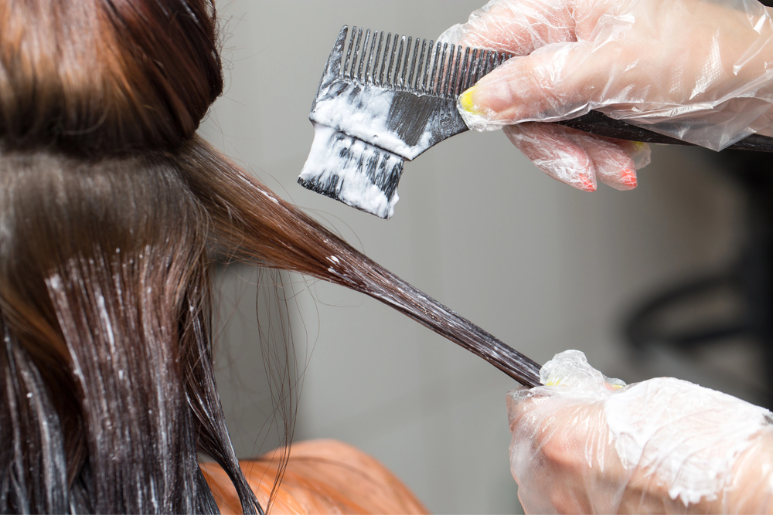
One of the most exciting moments after a hair restoration is seeing your new hair grow in and blend seamlessly with your natural style. For many patients at Hair Restoration Institute, that includes adding hair color to enhance dimension, cover existing gray, or simply return to a familiar look. While coloring your hair after a hair transplant is absolutely possible, timing, communication, and proper care are essential to protect your results and keep your scalp healthy.
Understanding how your new hair responds to color and working closely with both your provider and your hair colorist will help ensure the best outcome.
When Is It Safe to Color Your Hair After a Hair Transplant
Patience is key when it comes to hair color after a hair restoration. Your scalp needs time to heal fully, and your newly transplanted follicles must become securely established. Coloring too soon can irritate the scalp and potentially interfere with the healing process.
At Hair Restoration Institute, we typically advise waiting until your scalp has completely healed and your provider confirms it is safe to proceed. This timeframe can vary based on the individual and the specifics of the procedure, so it is important to follow personalized guidance rather than a general timeline.
Waiting until the scalp is calm and free of sensitivity allows your colorist to work more comfortably and reduces the risk of irritation or uneven results.
What Makes Newly Restored Hair Different
Newly restored hair behaves much like natural hair, but during the early growth phase, it may feel finer or slightly different in texture. This is completely normal and part of the natural maturation process of the hair follicle.
Because the hair is still developing, it may absorb color differently at first. Being aware of this helps set realistic expectations and allows your colorist to adjust their approach. Over time, your restored hair will continue to strengthen and blend more naturally with surrounding hair.
This is why gradual changes and conservative color choices are often the best starting point.
How to Talk to Your Hair Colorist
Clear communication with your hair colorist is one of the most important steps when adding color after a hair restoration. Always let them know that you have had a hair transplant and how recently it was performed. Even if your scalp feels healed, this information helps them choose appropriate techniques and products.
Share any instructions or recommendations provided by Hair Restoration Institute regarding scalp care or chemical treatments. Your colorist should understand that protecting the scalp is the priority and that gentler methods may be required.
It is also helpful to discuss your long-term hair goals. Whether you want subtle coverage or a more noticeable change, starting conservatively allows you to assess how your hair responds before making bigger adjustments.
Choosing the Right Color Approach
When coloring newly restored hair, less is often more. Opting for softer tones or shades close to your natural color can create a seamless look without placing unnecessary stress on the hair or scalp.
In many cases, techniques that minimize direct contact with the scalp may be preferable, especially early on. Your colorist can guide you toward options that enhance your appearance while maintaining scalp comfort.
Avoid drastic color changes immediately after your hair restoration. Gradual transitions allow both your hair and scalp to adapt while still delivering noticeable improvement in your overall look.
Scalp Sensitivity and Comfort
Even after healing, your scalp may be more sensitive than usual for a period of time. Pay attention to how it feels during and after coloring. Mild tingling can be normal, but burning or significant discomfort should not be ignored.
If you experience unusual irritation, redness, or discomfort, inform your colorist immediately and follow up with Hair Restoration Institute if needed. Protecting your scalp health is essential to supporting ongoing hair growth.
Using high-quality products and avoiding excessive heat styling after coloring can also help maintain comfort and hair strength.
Maintenance and Long-Term Care
Adding hair color is not a one-time decision. Ongoing maintenance is part of keeping your hair looking its best. After a hair restoration, maintaining a healthy scalp becomes even more important.
Use gentle, professional products recommended by your care team and avoid overcoloring. Giving your hair time between color sessions allows it to recover and reduces the risk of dryness or breakage.
Regular follow-ups with Hair Restoration Institute ensure that your hair is progressing as expected and give you the opportunity to address any concerns early.
Confidence Through Thoughtful Choices
A hair restoration is an investment in your confidence, and hair color can be the finishing touch that helps you feel like yourself again. When done thoughtfully and at the right time, coloring your hair after a hair transplant can enhance your results and create a polished, natural appearance.
At Hair Restoration Institute, our goal is to support you beyond the procedure itself. By following professional guidance, communicating openly with your hair colorist, and prioritizing scalp health, you can enjoy vibrant color without compromising your hair restoration results.
With patience and proper care, your restored hair and chosen color can work together beautifully, giving you a refreshed look and renewed confidence that lasts.
Call the Hair Restoration Institute at 612-588-HAIR (4247) today to schedule your free consultation with one of our caring hair loss professionals. We will evaluate your hair loss and create a customized plan to give you a healthy, vibrant head of hair again. We are located at 8009 34th Avenue S, Suite #1225, Bloomington, Minnesota 55425.
